Cleansing naturally with real foods involves incorporating nutrient-dense, whole foods into your diet to support your body's detoxification processes. This approach emphasizes fruits, vegetables, whole grains, and healthy fats, which can help eliminate toxins and promote overall wellness without harsh methods.
Incorporating real foods into your cleansing routine can yield significant health benefits, including improved digestion, enhanced energy levels, and a boosted immune system. It’s important to recognize that not all cleansing regimens are created equal; many popular detox diets may restrict necessary nutrients or rely on supplements that may not have proven benefits. Opting for a food-based approach allows for a more sustainable and holistic method of cleansing, making it easier to maintain long-term health.
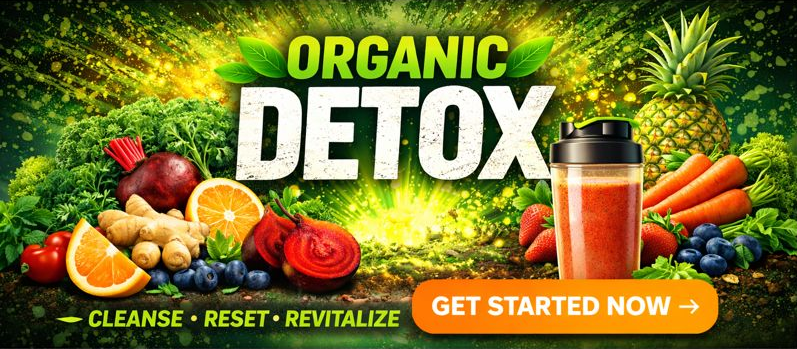
Many people mistakenly believe that cleansing requires strict fasting or extreme dietary restrictions. However, the truth is that a gentle approach using whole, unprocessed foods can be just as effective, if not more so. Prioritizing foods rich in antioxidants, fiber, and natural enzymes can facilitate the detox process without putting undue stress on your body. Understanding these principles will help you make informed choices about your cleansing journey.
Key Foods for Natural Cleansing
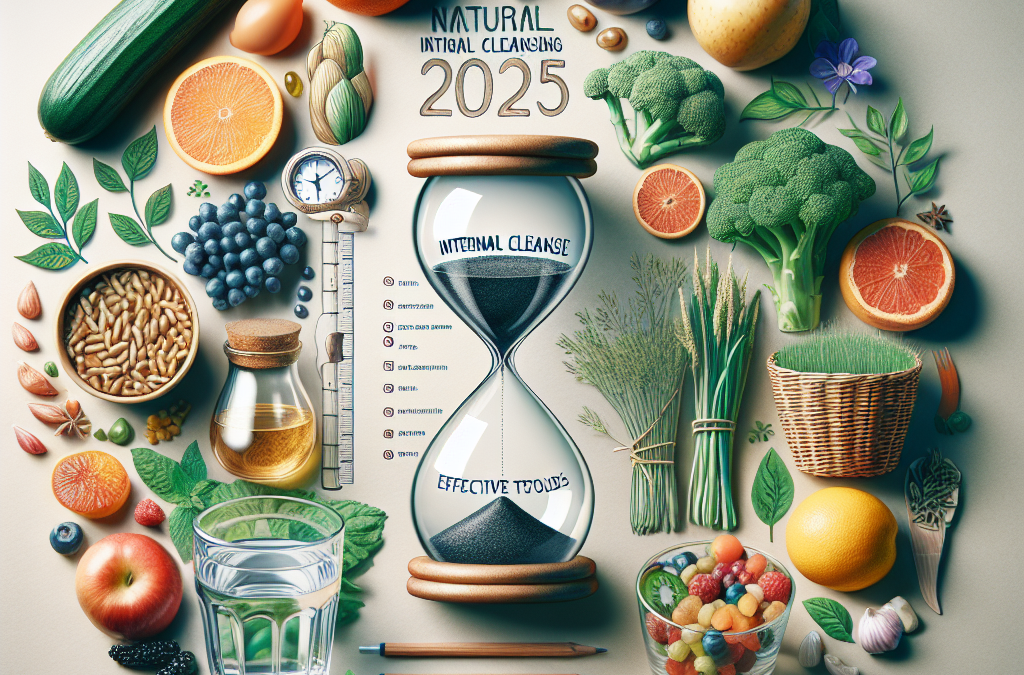
When considering how to cleanse naturally with real foods, it’s crucial to focus on specific food groups that enhance detoxification. Foods such as leafy greens, cruciferous vegetables, berries, and citrus fruits are particularly beneficial. These foods are rich in vitamins, minerals, and antioxidants that support liver function and promote the elimination of toxins.
Incorporating a variety of these foods into your diet can create a synergistic effect, maximizing their detoxifying potential. For example, leafy greens like spinach and kale are high in chlorophyll, which helps to bind and remove toxins from the bloodstream. Similarly, cruciferous vegetables such as broccoli and Brussels sprouts contain compounds that boost liver detoxification processes. It’s essential to prioritize organic produce when possible to minimize exposure to pesticides and chemicals that can counteract your cleansing efforts.
Moreover, don’t overlook the importance of hydration during your cleanse. Drinking plenty of water, herbal teas, and fresh juices can help flush out toxins and keep your body functioning optimally. Many people fail to realize that dehydration can hinder the detox process, so ensuring adequate fluid intake is a key consideration.
Practical Steps for a Successful Cleanse
To effectively cleanse your body with real foods, start by planning your meals around whole, unprocessed ingredients. This can mean preparing fresh salads, smoothies, soups, and stir-fries that incorporate the key foods discussed earlier. Aim for a balanced diet that includes a variety of colors and types of foods to ensure you’re getting a wide range of nutrients.
Consider starting your day with a nutrient-rich breakfast that includes fruits and whole grains. For example, a smoothie made with spinach, banana, and almond milk can provide a powerful start. Throughout the day, include snacks like raw vegetables or a handful of nuts to maintain energy levels. It’s also beneficial to incorporate fermented foods like yogurt or kimchi, which can support gut health and enhance digestion.
A common mistake is to jump into a cleanse without preparation. Gradually transitioning into your cleansing routine can help your body adapt and prevent discomfort. Start by reducing processed foods, sugars, and caffeine in the days leading up to your cleanse. This will make the transition smoother and more sustainable.
Common Mistakes to Avoid
Many individuals approach cleansing with the misconception that drastic measures are necessary, leading to extreme diets or fasting that can be harmful. Instead of adopting a restrictive mindset, focus on incorporating more whole foods into your meals. This shift can make the process more enjoyable and less daunting.
Another mistake is neglecting to listen to your body. Everyone’s nutritional needs are different, and what works for one person may not work for another. Pay attention to how your body responds to different foods and adjust your diet accordingly. If you experience discomfort or fatigue, it may indicate that you need to alter your approach or increase your caloric intake.
Finally, don’t overlook the importance of support systems. Engaging with friends, family, or online communities can provide motivation and accountability. Sharing experiences and recipes can enhance your cleansing journey and help you stay committed to your health goals.
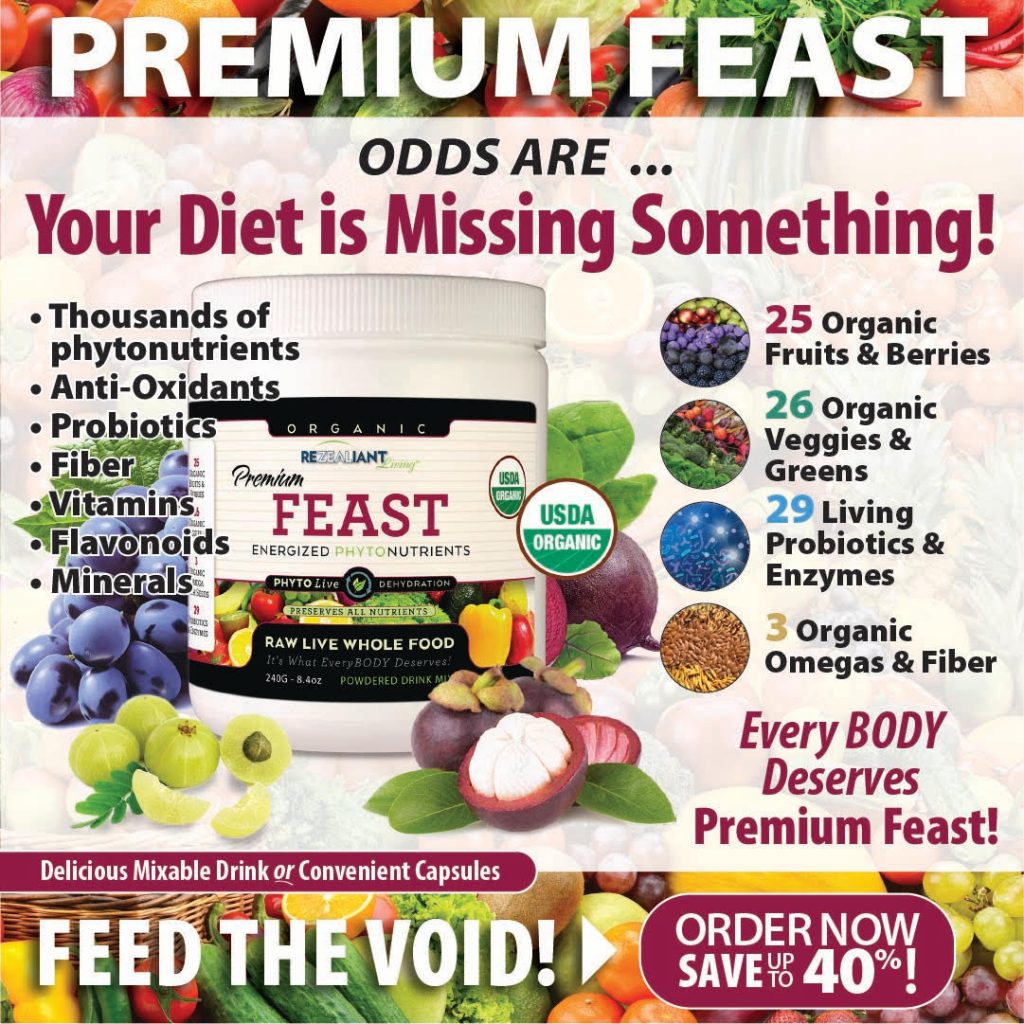
Huge Discount on the Best Certified Organic Whole Food Detox Support!
Long-Term Strategies for Health
Once you have completed your natural cleanse, the next step is to develop long-term strategies to maintain the benefits achieved. Incorporating the principles of your cleanse into your everyday diet can help sustain the positive changes you’ve made. This means regularly including a variety of whole foods, staying hydrated, and practicing mindful eating.
Additionally, consider the role of physical activity in your overall health. Regular exercise can support detoxification processes by promoting circulation and enhancing metabolic function. Aim for a mix of aerobic activities and strength training to keep your body active and engaged.
It’s also wise to periodically reassess your dietary habits and make adjustments as needed. What works for you now may change over time, so staying flexible and open to new approaches will serve you well in the long run.
Further Reading
Authoritative Sources
- National Institutes of Health
ncbi.nlm.nih.govThis resource provides a wealth of studies and articles on nutrition and detoxification methods
- Academy of Nutrition and Dietetics
eatright.orgA comprehensive source for evidence-based information on diet and health
- Healthline
healthline.comOffers practical health advice and articles on nutrition and wellness
Frequently Asked Questions
What foods should I include in a natural cleanse?
Focus on whole foods like leafy greens, fruits, vegetables, whole grains, and healthy fats. These foods support detoxification and provide essential nutrients.
How long should a natural cleanse last?
A natural cleanse can last anywhere from a few days to a few weeks, depending on your goals and how your body responds. Listen to your body and adjust accordingly.
Can I still exercise during a cleanse?
Yes, light to moderate exercise is beneficial during a cleanse. It promotes circulation and aids in detoxification, but listen to your body and avoid overexertion.
What should I avoid during a natural cleanse?
Avoid processed foods, added sugars, alcohol, and caffeine. These can hinder detoxification and counteract the benefits of your cleanse.
How can I maintain the benefits after a cleanse?
Incorporate the principles of your cleanse into your daily diet by continuing to eat whole foods, stay hydrated, and practice mindful eating.
Conclusion
In summary, cleansing naturally with real foods is a sustainable approach that emphasizes nutrient-rich, whole foods to support your body’s detoxification processes. By focusing on key foods, practical steps, and avoiding common mistakes, you can enhance your health and well-being. Remember to maintain these habits in the long term for lasting benefits. Prioritize your health and make informed choices that support your body’s natural ability to detoxify.
Huge Discount on the Best Certified Organic Whole Food Detox Support!