
The real challenge isn't understanding achieve digestive harmony: a comprehensive guide on how to detox for digestive balance — it's what happens when small oversights, weak priorities, or real-world constraints start compounding.
Detoxing for digestive balance is not just a trend; it’s a necessary approach for many seeking to enhance their gut health and overall well-being. The digestive system plays a crucial role in nutrient absorption, immune function, and even mental health. By focusing on detoxification, individuals can help reset their digestive system, eliminate toxins, and foster a healthier gut microbiome.

However, the journey to digestive balance can often be clouded by misconceptions and ineffective methods. Many people mistakenly believe that drastic measures, such as extreme fasting or unbalanced diets, are the only ways to detox. In reality, successful detoxification requires a nuanced understanding of one’s body, dietary habits, and lifestyle. It is essential to approach this process with a mindset geared toward sustainable changes rather than quick fixes.
Understanding Digestive Health
This matters more than it seems because weak decisions here usually create bigger downstream problems. To successfully detox for digestive balance, it’s vital to first understand what digestive health entails. The digestive system is responsible for breaking down food, absorbing nutrients, and eliminating waste. When this system is functioning optimally, it contributes to overall health, but when it falters, it can lead to various issues, including bloating, constipation, and even chronic conditions.
Many people overlook the importance of gut bacteria in this process. A diverse microbiome is essential for effective digestion and immune function. To nurture this ecosystem, individuals should prioritize consuming a variety of fiber-rich foods, fermented products, and prebiotics. This approach not only supports digestion but also enhances mood and energy levels.
Effective Detox Strategies
This matters more than it seems because weak decisions here usually create bigger downstream problems. Implementing effective detox strategies requires a personalized approach that aligns with your lifestyle and health goals. Here are some practical tips to consider:
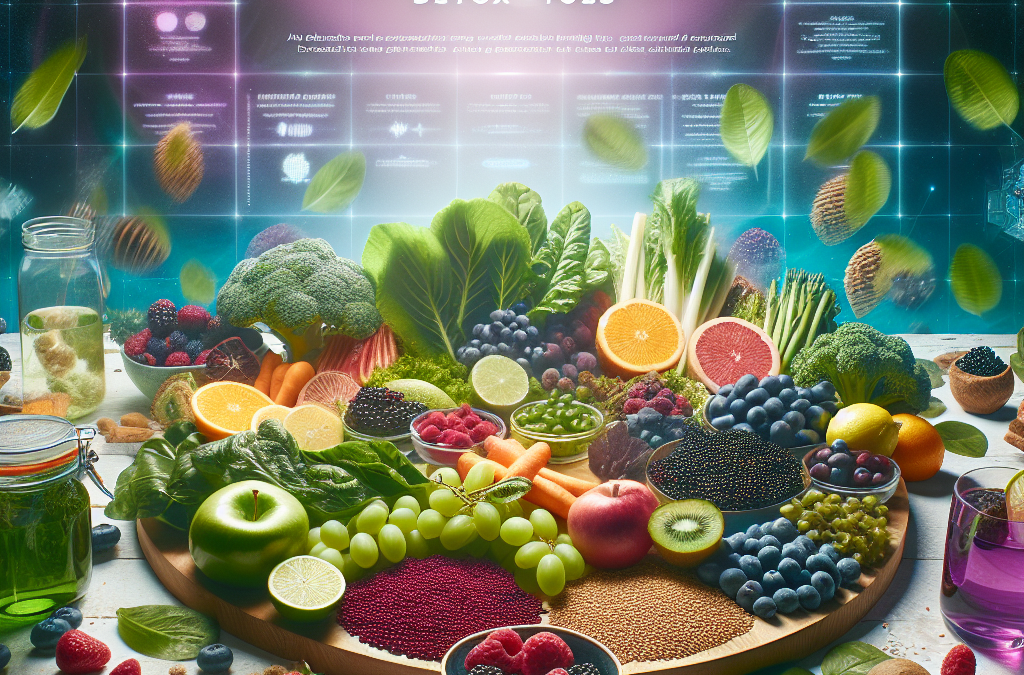
- Incorporate Whole Foods: Focus on fruits, vegetables, whole grains, and lean proteins while minimizing processed foods.
- Stay Hydrated: Drinking plenty of water helps flush out toxins and supports digestion.
- Introduce Probiotics: Foods like yogurt, kefir, and sauerkraut can replenish gut bacteria, enhancing digestive health.
- Mindful Eating: Pay attention to portion sizes and eat slowly to improve digestion and prevent overeating.
These strategies are not one-size-fits-all; they should be tailored to fit individual needs and preferences. For instance, those with lactose intolerance may need to seek non-dairy probiotic sources, while someone with specific dietary restrictions might focus on gluten-free grains.
Common Pitfalls in Detoxing
This matters more than it seems because weak decisions here usually create bigger downstream problems. While detoxification can be beneficial, many fall into common traps that undermine their efforts. One major pitfall is the reliance on detox products or supplements that promise quick results. These often contain laxatives or diuretics that can lead to dehydration and nutrient deficiencies.
Another frequent mistake is adopting overly restrictive diets that eliminate essential nutrients. For instance, cutting out whole food groups can lead to imbalances that may worsen digestive issues in the long run. Instead of deprivation, the focus should be on moderation and balance. Learning to listen to your body’s signals is crucial for long-term success.
Huge Discount on the Best Certified Organic Whole Food Detox Support!
Maintaining Digestive Balance Long-Term
Once detoxification has been achieved, the goal shifts to maintaining digestive balance. This involves making sustainable lifestyle changes rather than reverting to previous habits. Regular physical activity, stress management techniques, and continued focus on a balanced diet are essential.
Additionally, consider scheduling regular check-ups with healthcare professionals to monitor digestive health. They can provide personalized advice and detect any underlying issues early. By prioritizing long-term strategies, individuals can enjoy lasting benefits for their digestive system and overall health.
Further Reading
For more insights on digestive health and detoxification methods, reputable sources such as health organizations, nutritionists, or registered dietitians can offer valuable guidance. Always seek information from credible sources to ensure safe and effective practices.
Further Reading
Authoritative Sources
- “Detoxes” and “Cleanses”: What You Need To Know – nccih
nccih.nih.govFasting · Drinking only juices or similar beverages · Eating only certain foods · Using dietary supplements or other commercial products · Using herbs · Cleansing …
- How To Detox Your Gut In 24 Hours (Without Extreme …
ctcd.edu1. Warm Lemon-Salt Water (Hydration Starter) · When: Within 15–20 minutes of waking · What: 300–400 ml warm water + juice of 1/4 lemon + a tiny …
- Detoxing Your Digestive System: What's Best for Your Gut?
uniteddigestive.comFocus on a Fiber-Rich Diet: Fiber is key for regular bowel movements and a healthy gut. · Stay Hydrated: Water is key for digestion. · Probiotic …
- Gut Cleansing: instructions for the body's detoxification
allergosan.com5 Tips for Gut Cleansing! Drink a lot. Drinking enough is absolutely necessary so that deposited pollutants are "washed out" in the truest sense of the word!
- Will a Gut Cleanse Help With Bloating? – ADH
windsordigestivehealth.comPractice Mindful Eating: Chew food thoroughly and eat slowly to enhance digestion and reduce stress on the gut. Avoid overeating, as it can tax …
- MedlinePlus
medlineplus.govConsumer-friendly medical and health information from the U.S. National Library of Medicine.
- National Institutes of Health
nih.govResearch-based health information and links to authoritative medical resources.
Frequently Asked Questions
What are the signs that I need to detox my digestive system?
Common signs include bloating, irregular bowel movements, fatigue, and food sensitivities. If you experience these, it may be time to consider a detox.
How long should a detox last for effective results?
A typical detox can last from a few days to a few weeks, but it’s essential to listen to your body and not push for extreme measures.
Can I detox without making drastic dietary changes?
Yes, gentle detox methods such as increasing hydration, incorporating more whole foods, and reducing processed foods can be effective without drastic changes.
Are there any risks associated with detoxing?
Yes, risks include dehydration, nutrient deficiencies, and digestive discomfort if detox methods are too extreme or not aligned with individual health needs.
How can I maintain digestive balance after detoxing?
Focus on a balanced diet rich in fiber, stay hydrated, exercise regularly, and manage stress to maintain digestive health.
Conclusion
Detoxing for digestive balance is a valuable approach to improve gut health and overall well-being. By understanding the fundamentals of digestive health, implementing effective strategies, and avoiding common pitfalls, individuals can achieve meaningful results. Remember, the key to success lies in sustainable changes and ongoing attention to your body’s needs. Start with small adjustments today, and prioritize your digestive health for a better tomorrow.
Huge Discount on the Best Certified Organic Whole Food Detox Support!
This matters more than it seems because weak decisions here usually create bigger downstream problems.