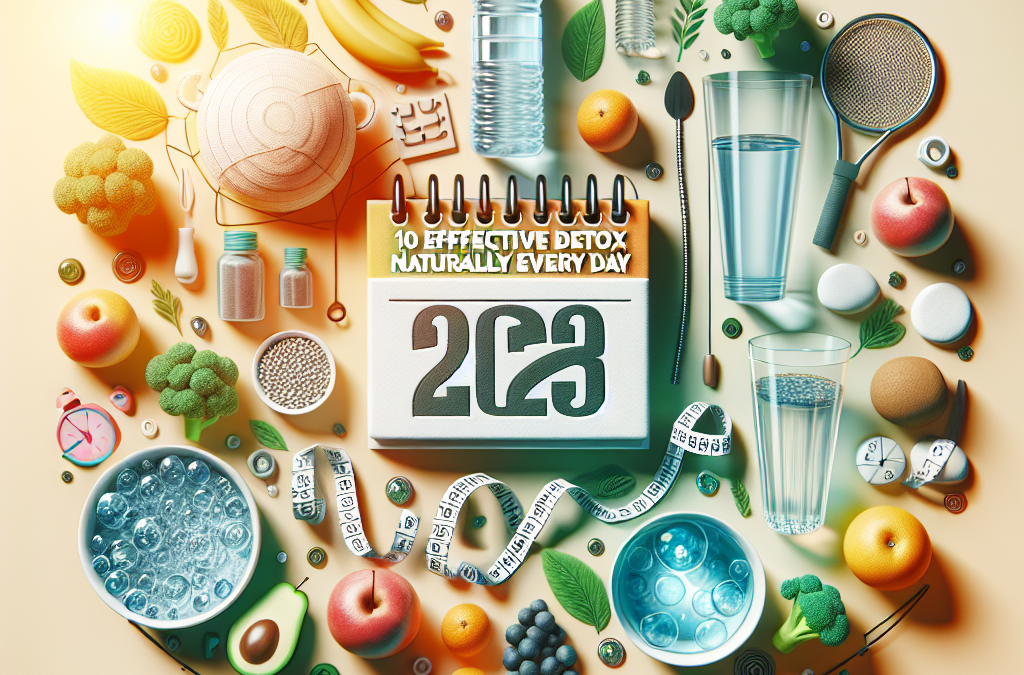
Detoxing naturally involves adopting specific dietary choices and lifestyle changes that support the body's natural cleansing processes. Key strategies include incorporating whole foods, staying hydrated, and maintaining a balanced lifestyle that reinforces the detox process over time.
Understanding the underlying mechanisms of detoxification is crucial. The body has its own systems, primarily the liver, kidneys, and lymphatic system, that work continuously to remove toxins. However, modern diets often overload these systems with processed foods, chemicals, and environmental pollutants. To effectively detox, one must focus on reducing these burdens while enhancing the body’s natural capabilities through targeted nutrition and lifestyle adjustments.
A common mistake people make during detox is relying solely on restrictive diets or supplements without considering long-term sustainability. This can lead to nutrient deficiencies and rebound weight gain. Instead, it’s essential to approach detoxification as a holistic lifestyle choice, integrating healthy habits that can be maintained well beyond the initial detox phase.
Nutrient-Dense Foods for Detox
Nutrient-dense foods are pivotal in any detox plan as they provide essential vitamins and minerals that support detoxification processes. Foods like leafy greens, cruciferous vegetables, berries, and citrus fruits are excellent choices. They contain antioxidants and phytonutrients that help neutralize toxins and promote liver function.
Incorporating a variety of colorful fruits and vegetables into meals not only enhances nutrient intake but also keeps the body engaged in a diverse diet that can prevent monotony and cravings. For instance, kale, broccoli, and beets are particularly effective due to their high fiber content and detoxifying properties.
Moreover, it’s critical to balance these foods with adequate protein sources, such as legumes and lean meats, to support muscle maintenance during detox. A common pitfall is focusing solely on fruits and vegetables while neglecting protein, which can lead to muscle loss and fatigue.
Hydration: The Key to Effective Detoxification
Staying hydrated is fundamental for successful detoxification. Water aids in flushing out toxins through urine and sweat, and it also supports digestive health. Aim for at least eight glasses of water a day, and consider including herbal teas or infused waters for added benefits.
When detoxing, many overlook the importance of electrolyte balance. Adding a pinch of sea salt or consuming potassium-rich foods like bananas can help maintain hydration levels. Dehydration can lead to headaches, fatigue, and hinder the detox process, making it essential to prioritize fluid intake.
Additionally, caffeine and sugary drinks can counteract hydration efforts. Focusing on natural beverages instead can enhance the detox experience and improve overall health. Remember to listen to your body; if you feel thirsty, it’s a sign to increase your water intake.
Lifestyle Practices to Maintain Detox Results
Maintaining detox results requires integrating supportive lifestyle practices beyond dietary changes. Regular exercise plays a significant role in detoxification by promoting circulation and sweating, which helps expel toxins from the body. Aim for a mix of cardio and strength training to optimize results.
A well-structured sleep schedule is equally important, as sleep is the body’s time for repair and recovery. Poor sleep can increase stress hormones like cortisol, which can negatively impact detox efforts. Establishing a calming bedtime routine and ensuring adequate sleep each night can enhance the detox process.
Huge Discount on the Best Certified Organic Whole Food Detox Support!
Mindfulness practices, such as meditation or yoga, can also support detoxification by reducing stress and promoting emotional well-being. Stress can lead to unhealthy eating habits and hinder the detox process, so incorporating stress-reducing techniques is beneficial.
Common Mistakes in Detoxification
One of the most prevalent mistakes during detoxification is the expectation of immediate results. Many individuals anticipate rapid weight loss or dramatic health improvements, which can lead to disappointment and frustration. Detox is a gradual process that requires patience and consistency.
Another common error is the use of harsh detox products or extreme diets that promise quick fixes. These can disrupt metabolic processes and may lead to nutrient deficiencies. Instead, focusing on gradual changes and sustainable habits is more effective for long-term health.
Lastly, neglecting to listen to one’s body can lead to adverse effects. If fatigue, discomfort, or digestive issues arise, it’s essential to reassess the detox approach and make necessary adjustments. Prioritizing health over quick results should be the guiding principle.
Further Reading
For more in-depth information on detoxification strategies and maintaining health, consider exploring reputable sources that specialize in nutrition and wellness. Official health organizations and peer-reviewed journals often provide valuable insights into effective detox methods and their long-term benefits.
Further Reading
Authoritative Sources
- MedlinePlus
medlineplus.govConsumer-friendly medical and health information from the U.S. National Library of Medicine.
- National Institutes of Health
nih.govResearch-based health information and links to authoritative medical resources.
- Centers for Disease Control and Prevention
cdc.govOfficial public health guidance, prevention resources, and topic-specific recommendations.
- Mayo Clinic
mayoclinic.orgTrusted clinical guidance, symptom explainers, and treatment overviews.
- World Health Organization
who.intGlobal health guidance, fact sheets, and evidence-based public health information.
Frequently Asked Questions
What are the best foods to include in a natural detox?
Leafy greens, cruciferous vegetables, berries, and citrus fruits are excellent choices for a natural detox.
How often should I detox naturally?
It’s advisable to detox every few months, allowing your body to reset without excessive restriction.
Can I detox without giving up my favorite foods?
Yes, you can maintain a balanced diet while incorporating detox-friendly foods and practices.
What role does hydration play in detoxification?
Hydration is crucial as it helps flush out toxins and supports overall bodily functions during detox.
Are detox diets safe for everyone?
Not all detox diets are safe for everyone; it’s essential to consider individual health conditions and consult a healthcare professional if unsure.
Conclusion
In summary, detoxing naturally and maintaining results requires a holistic approach that emphasizes nutrient-dense foods, hydration, and supportive lifestyle practices. Avoiding common pitfalls, such as unrealistic expectations and restrictive diets, is crucial for long-term success. By integrating these strategies into your daily routine, you can enhance your body’s natural detoxification processes and achieve lasting health benefits. Start small, stay consistent, and prioritize sustainable habits for the best results.
Huge Discount on the Best Certified Organic Whole Food Detox Support!

Related Content
- The Ultimate Guide to Detox for Bloating: 7 Effective Tips for 2025
- How to Safely Use Detox Supplements
- Gentle Detox Methods for Lasting Benefits
- Why Detoxing Is Important As You Age – Unveiling The Secret To Healthy Aging
- Revitalize Your Well-Being with The Simple Detox Plan Using Organic Foods: A Fresh Approach to Cleansing Naturally