
The real challenge isn't understanding transform your health: understanding why whole foods matter in detox — it's what happens when small oversights, weak priorities, or real-world constraints start compounding.
Whole foods play a pivotal role in detoxification, offering a natural and effective way to cleanse the body. By prioritizing whole foods, individuals can harness the power of nutrients, fiber, and antioxidants that support the body’s innate detoxifying mechanisms. Unlike processed foods, which often contain additives and preservatives that can hinder detox efforts, whole foods provide the essential building blocks for optimal health and recovery.
However, many people mistakenly believe that detoxing requires extreme measures, such as juice cleanses or fasting, while overlooking the simple yet profound impact of incorporating whole foods into their diets. This misconception can lead to frustration and disappointment when results are not achieved. Understanding the significance of whole foods in the detox process is crucial for making informed choices that lead to sustainable health improvements.
Nutritional Benefits of Whole Foods
This matters more than it seems because weak decisions here usually create bigger downstream problems. Whole foods, such as fruits, vegetables, nuts, seeds, and whole grains, are packed with essential vitamins, minerals, and antioxidants. These nutrients play a critical role in supporting liver function, enhancing digestion, and boosting the immune system. For instance, leafy greens like kale and spinach are rich in chlorophyll, which helps detoxify the liver by binding to toxins and facilitating their elimination.
Incorporating a variety of whole foods not only ensures a well-rounded nutrient intake but also promotes healthy digestion through dietary fiber. Fiber aids in regular bowel movements, which is vital for the removal of waste and toxins from the body. Without sufficient fiber, individuals may experience constipation, leading to a buildup of toxins and negatively impacting overall health.
Common Misconceptions About Detoxing
This matters more than it seems because weak decisions here usually create bigger downstream problems. A prevalent misunderstanding surrounding detoxification is the belief that it requires drastic dietary changes or expensive supplements. Many people opt for fad detox diets that promise quick results but often neglect the importance of whole foods. These approaches can lead to nutrient deficiencies and may not provide the long-term benefits that whole foods offer.
Moreover, some individuals associate detoxing solely with weight loss, overlooking its broader implications for health. True detoxification is about supporting the body’s natural processes rather than merely shedding pounds. By focusing on whole foods, individuals can achieve a more balanced and sustainable approach to detoxification.
Practical Ways to Incorporate Whole Foods
This matters more than it seems because weak decisions here usually create bigger downstream problems. Integrating whole foods into your diet can be both simple and enjoyable. Start by gradually replacing processed snacks with whole food alternatives, such as fresh fruits or nuts. When grocery shopping, aim to fill your cart with colorful produce, lean proteins, and whole grains.
Meal prepping is another effective strategy. By preparing meals in advance using whole foods, you can ensure that you have healthy options readily available, reducing the temptation to reach for processed foods. Additionally, exploring new recipes can make the transition to a whole food diet more exciting and satisfying.
- Experiment with smoothies packed with greens and fruits.
- Try new grains like quinoa or farro as a base for meals.
- Incorporate legumes into soups and salads for added protein and fiber.
Understanding Detoxification Pathways
This matters more than it seems because weak decisions here usually create bigger downstream problems. The body has several detoxification pathways, primarily involving the liver, kidneys, and digestive system. Whole foods support these pathways by providing the necessary nutrients for optimal function. For example, antioxidants found in whole foods help neutralize free radicals, which can otherwise contribute to cellular damage.
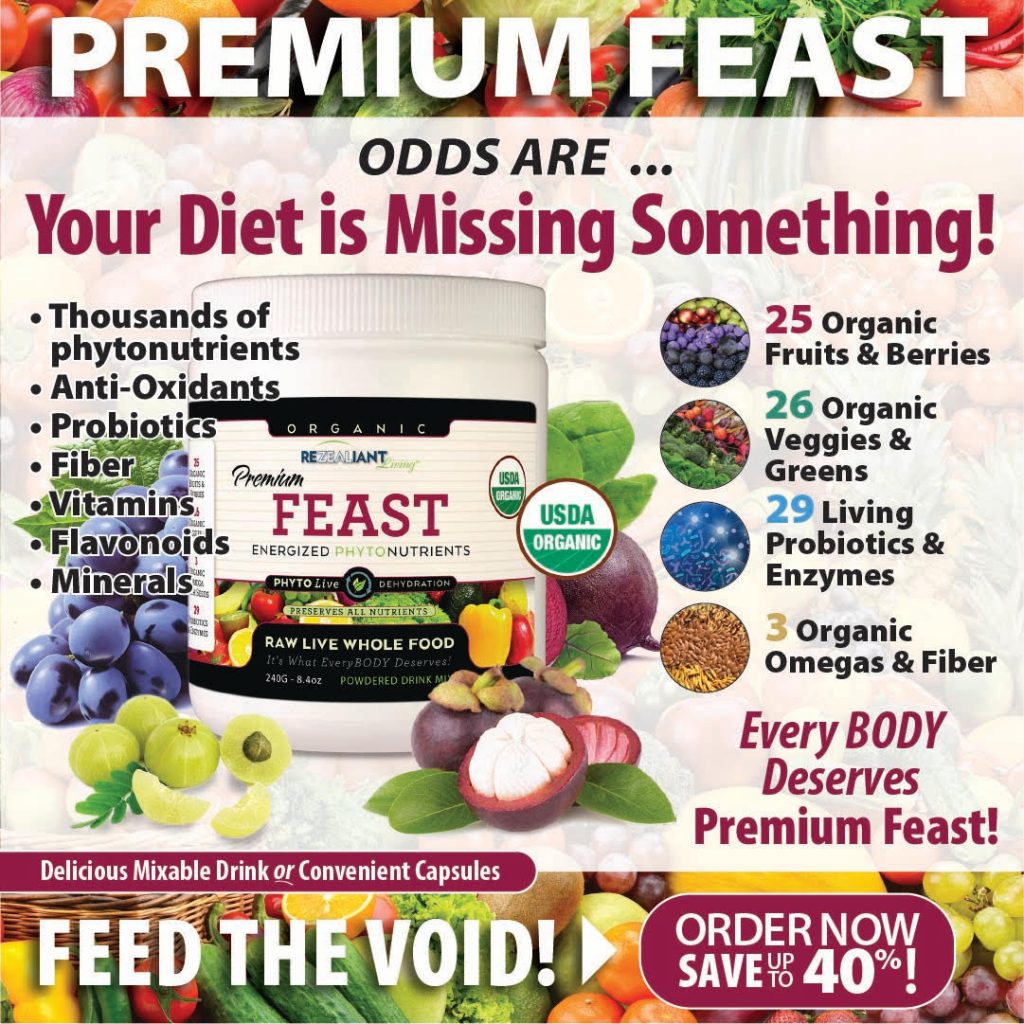
Huge Discount on the Best Certified Organic Whole Food Detox Support!
Additionally, certain whole foods can enhance liver function. Foods rich in sulfur, such as garlic and onions, support the liver’s detoxification processes by aiding in the elimination of toxins. Understanding these pathways emphasizes the importance of a nutrient-dense diet in promoting effective detoxification.
Further Reading
For those interested in delving deeper into the benefits of whole foods and detoxification, consider exploring resources from reputable health organizations and nutritionists.
Authoritative Sources
- Whole Foods and Detoxification
ncbi.nlm.nih.govThis article discusses the role of whole foods in supporting detoxification processes and overall health
- Harvard Healthy Eating Plate
hsph.harvard.eduAn excellent resource for understanding how to build a balanced diet focused on whole foods
Frequently Asked Questions
What are whole foods?
Whole foods are foods that are minimally processed and free from artificial ingredients. They include fruits, vegetables, whole grains, nuts, and seeds.
How do whole foods aid in detoxification?
Whole foods provide essential nutrients, fiber, and antioxidants that support the body’s natural detoxification processes, enhancing liver function and digestion.
Can I detox without whole foods?
While it’s possible to engage in detox practices without whole foods, doing so may not provide the necessary nutrients for effective detoxification and overall health.
What are some examples of whole foods?
Examples include fresh fruits and vegetables, whole grains like brown rice, legumes, nuts, and seeds.
How often should I incorporate whole foods into my diet?
Ideally, whole foods should be the foundation of your daily diet, constituting the majority of your meals and snacks.
Conclusion
Incorporating whole foods into your diet is a powerful strategy for effective detoxification and overall health. By focusing on nutrient-dense options, you can support your body’s natural processes while avoiding the pitfalls of processed foods. Prioritize whole foods in your meals and snacks, and take small, consistent steps towards a healthier lifestyle. This approach not only enhances detoxification but also lays the groundwork for long-term wellness.
Huge Discount on the Best Certified Organic Whole Food Detox Support!
This matters more than it seems because weak decisions here usually create bigger downstream problems.